How to Research Your Family History for Croatian Citizenship - Tips and Tricks
How to Research Your Family History for Croatian Citizenship - Tips and Tricks
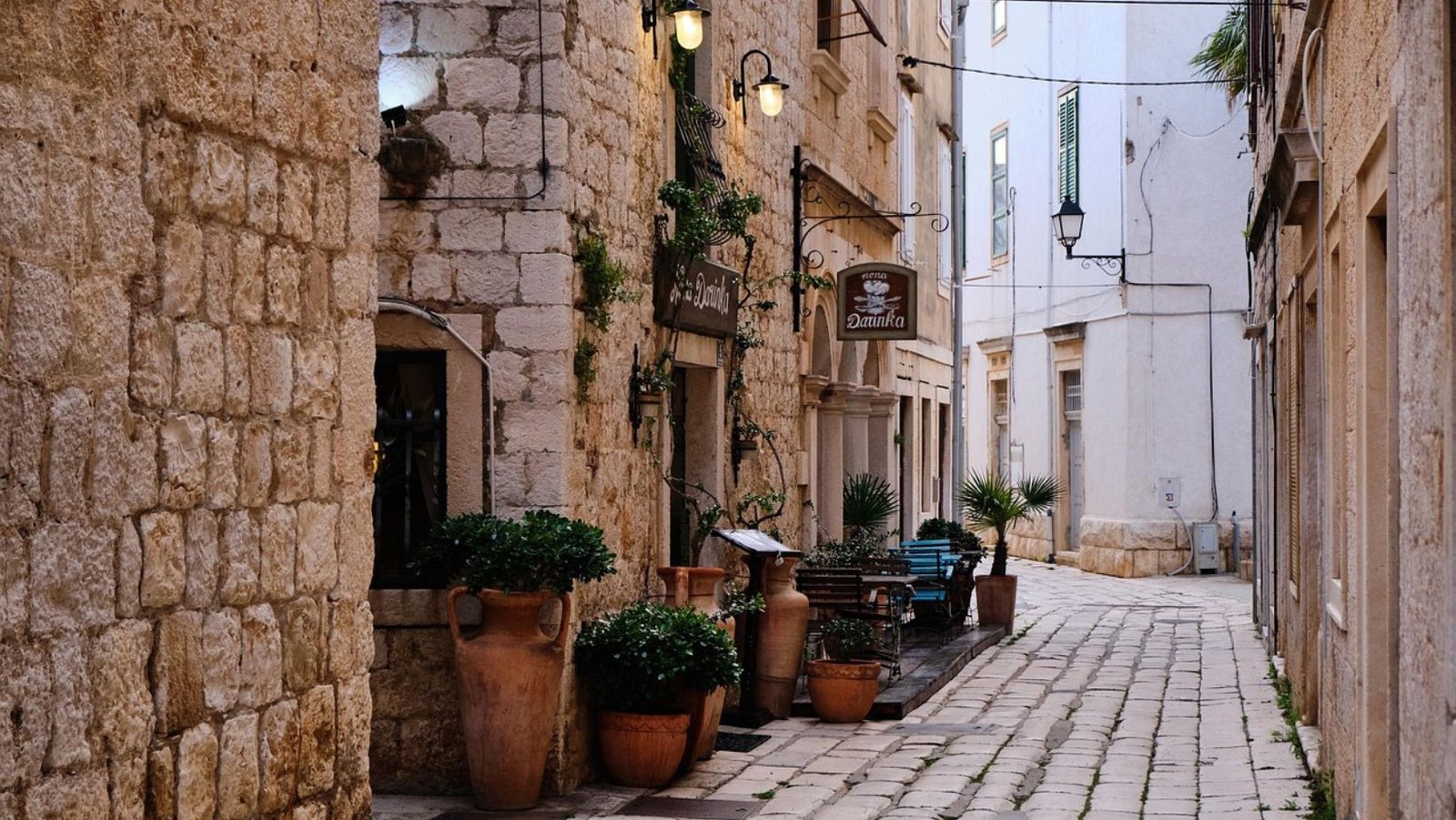
You finally found out your great-grandfather’s family name and birth information, fired up your computer, and started your research adventure… Only to hit a brick wall: the small village you found seems to have vanished into thin air, or there’s a crowd of Horvat’s born in that same town on the same day? Although this may seem discouraging at first, it’s actually a promising start to your genealogical journey.
Searching your family history is never an easy task. While digitalization has been a game-changer, it has also turned the world of official records and their archiving system upside down. That’s why we are here to help you stay on the right track with your research and finally find those cherished stories of your family’s past.
How to Find Out If You Are Eligible For Croatian Citizenship?
Determining eligibility for Croatian citizenship typically involves assessing several factors, including ancestry, residency, marriage to a Croatian citizen, and similar. So, where do you begin? The official pages of the Ministry of the Interior offer reliable and legally sound information. Similarly, the Croatian Consulate’s official webpage within your jurisdiction provides invaluable resources to aid your search.
However, Croatian citizenship is based on quite a few principles, so let’s dive into a couple of the most common ones:
- Jure Matrimonii – spouses of Croatian citizens become eligible for Croatian citizenship on two bases – either by living in Croatia (regulated by article 10 of the Croatian Citizenship Act), or based on their spouse’s descent if the spouse has Croatian roots (regulated by article 11 of the Croatian Citizenship Act).
- Jure Sanguinis – Did one of your parents hold Croatian citizenship when you were born? What about your grandparents or great-grandparents? If any of these questions stir a resounding “yes,” you could be on track to apply for Croatian citizenship by descent
- Naturalization – Foreign nationals can acquire Croatian citizenship by naturalization if they meet several requirements, including having lived in Croatia for at least 8 years without interruption, renouncing their current citizenship, and demonstrating knowledge of the Croatian language and culture, among others.
When it comes to the twists and turns of your eligibility, contacting professionals and undergoing an eligibility test with an experienced citizenship specialist might be your safest bet – just visit our website and contact us in a matter of seconds.
Documents Required For Croatian Citizenship By Descent
This is the part where it can get a bit tricky. Depending on how many generations back you’re applying through, your documentation needs may vary widely from someone else’s. In any case, however, you will need vital records tracing from your Croatian ancestors all the way down to yourself.
When applying for Croatian citizenship, there are several common documents that every applicant typically needs to include:
- Your Croatian ancestors’ birth certificates.
- Marriage certificates of your Croatian ancestors, and sometimes their death certificates (if applicable), may also be required.
- In case of naturalization, a copy of the naturalization records for the Croatian ancestor you’re applying through.
- Passenger lists or any other travel documents proving your ancestor’s emigration from the territory of the Republic of Croatia.
- Vital records such as birth, marriage, and death certificates applicable to your entire lineage from your Croatian ancestors down to yourself.
- Federal Bureau of Investigation (FBI) criminal record check pertaining to you and any other applicants.
- Curriculum vitae and a personal statement of motivation in the Croatian language explaining the reason (s) for applying for Croatian citizenship
The best way to confirm these requirements is either by visiting the website of the Consulate you’ll be applying to – they usually outline everything you need – or by consulting with your trusted citizenship specialist. Sometimes, it’s just a paper or two that makes all the difference.
But what happens when you just can’t seem to find some of the listed documents, or you really need to enclose some supporting documentation to bolster your case? That’s when you don your detective glasses and tread the ‘paths less traveled’ to uncover your family history. And here are some useful trails to get started with.
Census Records
These records play a significant role when applying for dual Croatian citizenship, as they include valuable information such as names, ages, occupations, and places of residence – all essential for establishing lineage and proving Croatian ancestry. Along with draft cards and passenger listings, these census lists often slot your ancestors into specific times and places, conveniently placing them just where you need them to prove your lineage. Census records are often used as supporting documentation when proving identity, as some of the older naturalization records might not have all the relevant personal information registered.
Passenger lists
Like census records, passenger lists might hide some truly vital information if you’re in search of your ancestor’s place of origin. While many researchers overlook the second page, it is where, more often than not, you’ll find names of family members left behind, as well as the exact hometown or village in Croatia. This is a true lifesaver document if you’ve been trying to pinpoint your grandfather’s birthplace for ages, but couldn’t find any relevant information.
Naturalization Records
Naturalization records detail the process through which an ancestor acquired citizenship in another country, potentially impacting their Croatian citizenship status. They are the key documents in your citizenship puzzle. Even if your ancestor never naturalized, you’ll still want to grab these records.
For example, if your ancestor became a U.S. citizen, you will need to dig up their naturalization records – more precisely, their Declaration of Intention, Petition for Naturalization, and the Certificate of Naturalization. While the first two can commonly be found in the National Archives, the Certificate of Naturalization needs to be issued by the United States Citizenship and Immigration Services (USCIS).
Birth Certificate
Birth certificates are the foundation of our ancestry journey and can be found in vital records offices, both online and offline, along with the towns or counties where your Croatian ancestors were born.
It is not uncommon to stumble upon slight discrepancies in these records, but it can get difficult to assess whether these discrepancies are affecting your application process. If you spot any inconsistencies, it’s best to address them head-on. Sometimes, it is just a matter of a misspelled name or a small mix-up in personal details. But to set the record straight, it is wise to reach out to a professional, as they’ll help you assess the situation and ensure everything aligns smoothly!
Marriage Certificate
These certificates are extremely important when proving your family connection and eligibility for dual citizenship, as they help demonstrate the relationship between the applicant and their Croatian ancestor who might have married outside of Croatia.
When obtaining these records from the vital offices, towns, or counties mentioned earlier, it’s essential to distinguish between a marriage certificate and a marriage license. Together, these documents complete the necessary documentation for your journey. While the marriage license serves as the initial authorization for a couple to marry legally, the marriage certificate is the official record issued post-ceremony, confirming the marriage’s legality. You can now see why securing both documents is a good idea.
Divorce Records
If subsequent marriages are involved, obtaining divorce records for citizenship applicants is paramount. These records serve as tangible proof of the dissolution of previous marriages, ensuring the legality of subsequent ones. Just as with marriage certificates, divorce records also consist of two important yet separate parts: the detailed documentation of the divorce proceedings, also known as the divorce records, and a Certificate of No Appeal, which attests that there are no pending legal appeals against the divorce decree. These records can typically be ordered from the relevant court where the divorce was finalized, and you’ve guessed it right – it is best if you get both of the documents.
Death Certificate
Obtaining death certificates for our ancestors serves as vital proof of their passing. Besides providing important information such as the date and place of death, they help us provide a clear timeline of family history, demonstrating connections between generations. Just as birth and marriage certificates, these records can be obtained from the vital records office in the jurisdiction where the individual passed away.
How To Check If You Qualify For Croatian Citizenship?
After diving into the Ministry of Interior pages, you might sense that you are on the brink of qualifying for Croatian citizenship. The only missing step is uncovering, for example, your great-grandfather’s date of birth. Where do you begin digging? Luckily, the digital realm offers plenty of online genealogy resources perfect for your family history research.
Online Forums and Communities
Websites like Genealogy.com offer discussion forums where individuals share research tips and exchange information. Plenty of Facebook groups dedicated to the same topics provide useful insights and support as you navigate your genealogical journey.
Ancestry Websites
Platforms like Ancestry.com, MyHeritage, and FamilySearch offer extensive collections of historical records, including census data, birth and death records, immigration records, and many more. Acta Croatica, a Croatian page dedicated to recording the histories of ordinary people, comes in handy for learning about the origins of your surname, finding your ancestors, and discovering their forgotten stories. These resources will quickly become your go-to tools when it comes to researching your ancestors based on various criteria and helping you trace your family lineage back through generations.
Croatian Civil Records
Government organizations such as Hrvatski Državni Arhiv (Croatian State Archives) provide access to a rich repository of birth, marriage, and death records from different regions in Croatia. For newer records, you may need to contact the local matični ured in your ancestor’s town of birth.
Check Your Eligibility For Croatian Citizenship
We have said it before, and we will say it now – your dedication to uncovering your family history is commendable. But even we, as seasoned professionals, sometimes face obstacles that can get quite surprising – such as new laws and decisions directly affecting seemingly straightforward eligibility criteria. However, as a team, we’re adept at surmounting these obstacles and clearing the path forward.
Certainly, you can navigate this journey independently. But why go alone when support is readily available? With just a few clicks, you can visit our website and schedule your consultation for an eligibility check, where you will gain professional guidance on your road to a Croatian passport.
Croatia by Descent is here to empower your journey, but at the end of the day – you are the one to make the call.